


Iranian prisons have become epicenters of severe human rights abuses as political prisoners continue to face inhumane treatment, including denial of medical care and harsh physical conditions. Reports from Sheiban Ahvaz, Evin, Ghezel Hesar, and Khoy prisons reveal that many detainees are being systematically deprived of necessary medical services, exacerbating their already dire health conditions. This latest wave of abuse comes amid a significant uptick in the Iranian regime’s execution record, prompting renewed international condemnation and calls for urgent action.
Political prisoners in Iran are subjected to extreme conditions that violate basic human rights. Torture through medical neglect is a common practice used to punish and pressure these individuals. According to the National Council of Resistance of Iran (NCRI), in Sheiban Ahvaz Prison, Gholamhossein Kalbi and Ayoub Porkar, who have been imprisoned for over two decades, are suffering from severe health issues but are systematically denied access to medical treatment. Kalbi, one of the longest-serving political prisoners, has been held without medical leave for 24 years despite suffering from multiple serious health conditions, including heart disease and severe arthritis. Similarly, Ayoub Porkar, imprisoned for 16 years, also suffers from heart disease and other serious ailments, yet remains deprived of essential medical care.
In Ghezel Hesar Prison, Afshin Baymani, another long-term prisoner, requires urgent heart surgery following a series of health complications exacerbated by prison conditions. Despite his dire need for medical intervention, the authorities continue to deny him access to proper care. This pattern of neglect is evident across various prisons. In the women’s ward of Evin Prison, Fatemeh Ziaei, a supporter of the People’s Mojahedin Organization of Iran (PMOI), suffers from advanced multiple sclerosis and requires continuous medical monitoring, which she is denied. Meanwhile, in Khoy Prison, Ebrahim Khalil Sediqi Hamedani, also a PMOI supporter, faces life-threatening diabetes-related complications without adequate medical facilities.
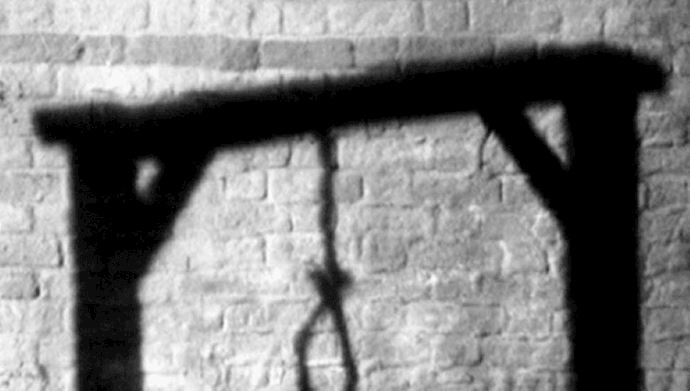
These repressive measures come against the backdrop of an alarming uptick in executions. August 2024 marked a disturbing escalation in the Iranian regime’s use of capital punishment, with 106 prisoners executed in a single month – a stark increase from the 53 executions reported in July. This represents a 100% increase in executions within just one month, highlighting a brutal crackdown on dissent and crime. The mass execution on August 7, 2024, where 26 prisoners were hanged simultaneously in Ghezel Hesar Prison in Karaj, stands out as one of the most significant in recent decades.
On August 26, 2024, a prisoner was publicly executed in Shahrud for the murder of a judicial attorney, while another political prisoner, Reza Rasaei, was secretly executed in Diezelabad Prison without informing his family or legal representatives.
In response to the increasing executions and harsh prison conditions, the “No to Execution Tuesdays” campaign has gained momentum. The thirty-second week of this campaign began on September 4, 2024, with prisoners across 21 Iranian prisons participating in hunger strikes. The campaign has seen growing support within and outside Iran, with the latest statement from striking prisoners condemning the executions and calling for an end to what they describe as an “inhumane situation.”
This week’s statement from the striking prisoners states: “While condemning the issuance and execution of inhumane death sentences and emphasizing the abolition of executions and the end of this ‘inhumane situation,’ we strongly condemn the brutal murders of Mohammad Mirmousavi and Komeil Abolhasani and the violation of the ‘right to life’ of Iranian citizens in various forms by the government. Once again, we call on the freedom-loving people of Iran and imprisoned detainees to support and join the ‘No to Execution Tuesdays’ campaign.”
The statement of the striking prisoners added: “Last Tuesday, August 27, while hundreds of prisoners were on hunger strike as part of the ‘No to Execution Tuesdays’ campaign in various prisons across the country, the judicial system of the religious dictatorship ruling Iran carried out a public execution of a prisoner in Sabzevar in an inhumane act.
“Simultaneously, two other crimes were committed: a prisoner named Mohammad Mirmosavi (in a detention center in Lahijan) and another prisoner named Komeil Abolhasani in Tonekabon Prison were brutally murdered under torture by law enforcement officers and prison security agents.”
The statement from the striking prisoners also mentions: “These two murders by government agents coincided with the issuance of a death sentence for a political prisoner named Abbas Toranji in Bam Prison, Kerman Province. Abbas Toranji is a political prisoner who has been sentenced to death in a sham court behind closed doors for the alleged murder of a security officer, and his life is in danger.”
At the same time, Amirhossein Moradi, a political prisoner who has been behind bars and under inhumane conditions since 2020, has released a statement, reiterating his innocence and the regime’s criminal conduct.
“Even one day of my detention, along with my dearest friend and other political prisoners, is illegal. We have committed no crime, and our only fault is our desire for freedom,” Moradi writes. “However, in light of scattered news and rumors, I want to announce that I have not requested a pardon or leave, nor will I ever do so. Because I believe that, as a result of the crimes committed, a small part of which I have witnessed over the years, it is ultimately this government that must ask the people of Iran for forgiveness.”
In his statement, Moradi stressed, “The perpetrators and commanders of these crimes must be held accountable for their actions, the smallest of which is robbing us of our youthful years. As far as we are concerned, we neither forgive nor forget.”