

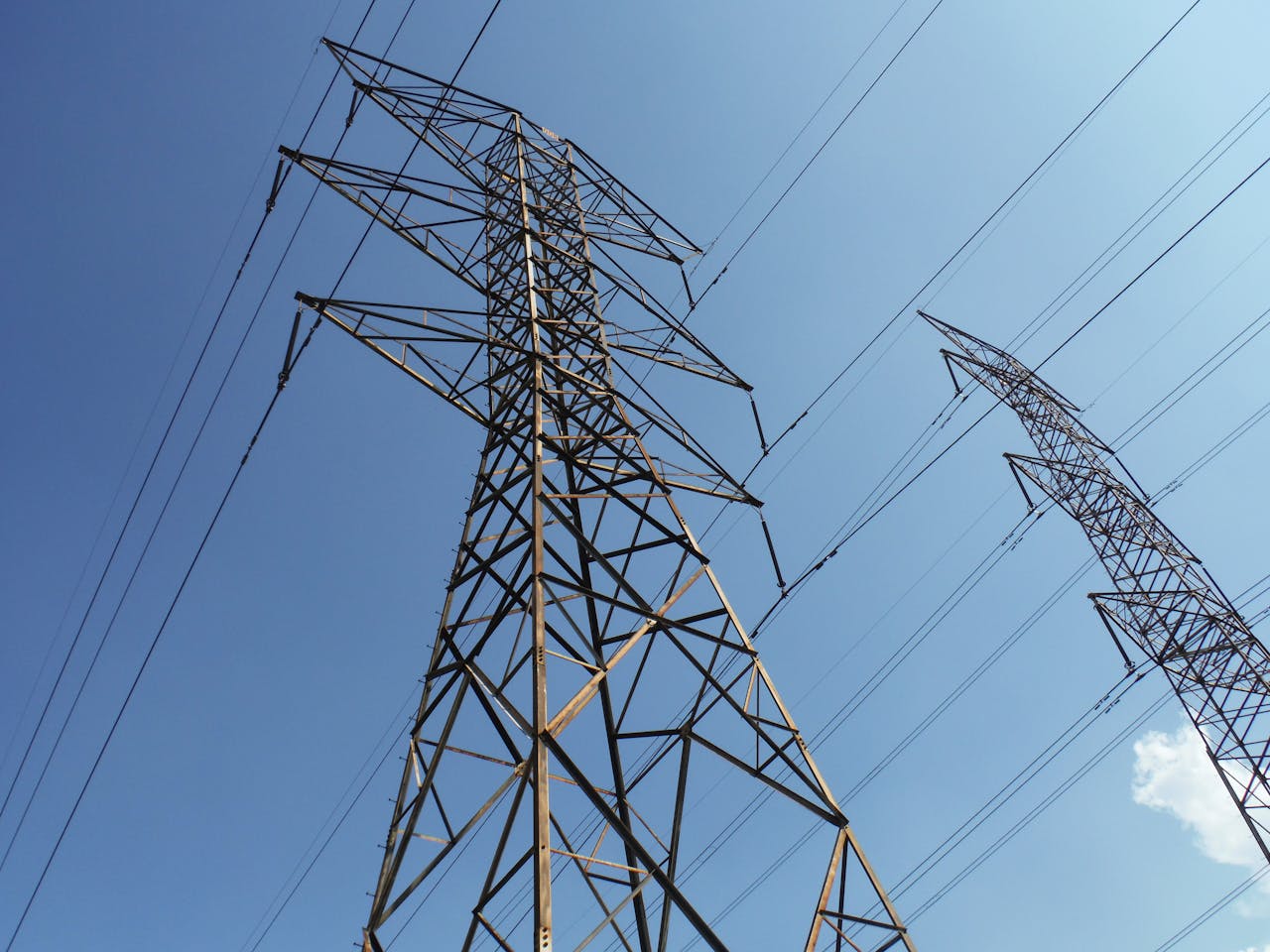

On the eve of the anniversary of the November 2019 protests, the Iranian regime restricted electricity consumption, citing the elimination of fuel oil (mazut) as the reason. The spokesperson for the government of Masoud Pezeshkian attempted to manipulate public perception in an appalling way, suggesting that the government had chosen “scheduled blackouts” over “producing poison” for the population.
This deception quickly unraveled, with the issue of power outages—feared to spark social unrest—rapidly turning into a political issue and exacerbating the regime’s internal crisis.
While Mohammad Ali Abtahi, a cleric with ties to the so-called “reformist” faction within the regime, described the power outages as “a trap for Pezeshkian” and a plot to “topple the government,” the November 12 issue of the state-run Kayhan ran a headline, “Fuel Oil Burning or Wasting the Opportunity: Where Did the Early Blackouts Come From?” It wrote, “In an unusual move, power outages have entered people’s homes in autumn as a result of government decisions.”
Kayhan then expressed alarm over the risk of public protests in a tense social climate, warning that “power outages mean heating systems fail in the cold season, people get trapped in elevators, the fire department is occupied unnecessarily, the internet goes down, factories close, hospitals and banks face disruptions, classes are canceled, and more.”
The claim of preventing “poison production” and the excuse of “halting fuel oil burning” was so baseless that even Tasnim News Agency, affiliated with the IRGC, questioned it on November 10, headlining “Is Fuel Oil Halt the Reason for Power Outages? Let’s Be Honest with the People!” It stated, “The largely empty fuel oil tanks at power plants (over 60% empty) may be the main reason for residential blackouts this fall and winter. The question is: Was it truly impossible for the government to supply the necessary fuel oil, forcing the decision to cut household electricity?”
Meanwhile, regime analysts and officials across factions share a consensus: the unprecedented budget deficit and financial collapse result from allocating a substantial share to military and security institutions.
Previously, while presenting the 2025 budget to parliament, Pezeshkian admitted that the regime’s sole priority is preserving the Revolutionary Guard and security forces. His spokesperson stated, “All efforts have been focused on meeting the country’s defense needs, so we are seeing a significant increase, exceeding 200 percent, in the military budget” (State Television, October 30).
Pezeshkian, while presenting the budget proposal without mincing words, said: “We went to the Leader and got permission to include some of the foreign currency we typically request mid-year—usually after social protests have started—before these events happen and brought it into the budget.”
This is the same predicament the regime is now trapped in, and as its agents admit, it “has neither a way forward nor a way back.” Warnings of power cuts and the threat of another November uprising are futile.
The government-affiliated Siasat-e Rooz newspaper wrote on November 12, “With the planned electricity cuts, we will also face gas outages because many homes rely on boilers, which will shut down without electricity. Even heating units will turn off, so in reality, many people will be left without electricity or gas. Now you can read the full story from this summary.”
The risk of blackouts comes as Khamenei and his president are well aware that the spark of the November 2019 protests was the sudden increase in gasoline prices. On that day, IRGC Commander Ali Fadavi admitted that 28 provinces and 100 neighborhoods participated on the first day of protests, and Commander Abnoosh said, “Only God saved us.”
Power cuts, impacting the vital needs of all people, reveal the other side of the regime’s tripled military and security budget. Therefore, the same national determination from the November 2019 protests will eventually mobilized against the regime.