

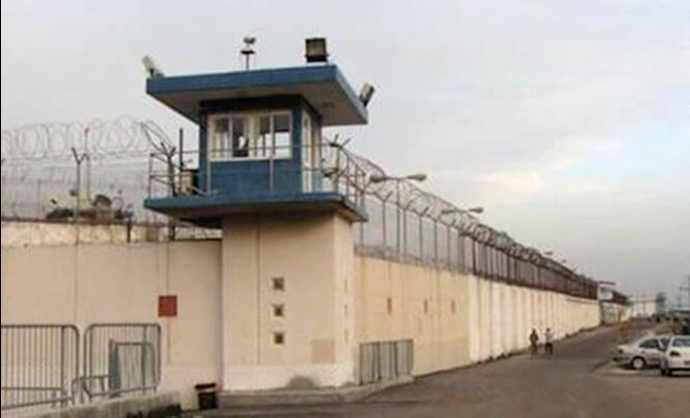

On Tuesday, July 28, 2026, a historic victory for human rights and defiance was recorded within the dark walls of Iran’s dungeons. In an inevitable retreat, the Iranian regime’s ruthless judiciary and prison guards were forced to bow to the demands of 1,500 death-row prisoners in Unit 2 of Ghezel Hesar Prison in Karaj. Breaking the regime’s will through an unyielding 16-day hunger strike, the inmates proved that unity and steadfastness can overcome the clerical regime’s machinery of suppression.
The regime’s humiliating concessions
As the strike gained momentum, a panicked high-level delegation of the regime’s judiciary and prison security agents rushed to the site to prevent the protest from spreading. The delegation included Jamshidi (Director General of the Tehran Province Prisons Organization), Azizi (Warden of Ghezel Hesar), Tarhani (Head of the Pardon and Clemency Commission), and several intelligence protection heads.
In a meeting with four prisoner representatives from each of the four halls of Unit 2, the delegation initially attempted to end the hunger strike by sowing division among the inmates. However, the prisoners’ vigilance thwarted this deceitful plot.
Defeated, regime authorities were forced to commit to major concessions: they agreed to suspend the execution of death sentences in Unit 2 until the drug-trafficking law is amended. Furthermore, they promised to immediately return six death-row prisoners—who had been transferred to solitary confinement for execution—back to the general wards.
The authorities also formally committed to re-examining the cases of all death-row prisoners in the unit within the next six months. Despite this victory, the striking prisoners emphasized they remain fully vigilant and are prepared to resume their strike if the regime violates these agreements.
A historic hunger strike
The unprecedented protest was sparked on July 13, 2026, when authorities transferred six prisoners to solitary confinement, a notorious prelude to execution in the regime’s prisons. In response, approximately 1,500 inmates refused their food rations. Throughout the grueling strike, prisoners suffered severe physical deterioration, including extreme weakness, severe weight loss, and drops in blood pressure. Despite a total lack of medical attention from prison authorities, the inmates escalated their protests, with some launching dry hunger strikes and sewing their lips shut.
During the strike, the prisoners voiced their support for the ongoing “No to Executions Tuesdays” campaign, chanting powerful slogans such as “No to execution,” “Execution and prison are not the right of Iranian youth,” and “No to drug executions.” In messages smuggled out of the prison, the inmates highlighted that the vast majority of drug-related offenders are victims of the regime’s disastrous socio-economic policies, driven to offenses by extreme poverty, unemployment, and economic collapse rather than organized crime.
A regime reliant on the gallows
This prison strike cannot be viewed in isolation from the broader political reality in Iran, where the clerical regime systematically relies on capital punishment to maintain its fragile grip on power. Following the massive nationwide uprisings in December 2025 and January 2026—which nearly toppled the ruling establishment—the regime only survived by slaughtering thousands of protesters in the streets.
Today, under the presidency of Masoud Pezeshkian and the newly installed Supreme Leader Mojtaba Khamenei, the state’s reliance on executions has intensified. The regime has already hanged more than 20 people linked to the recent uprisings, using the death penalty as an instrument of political terror and vengeance against an explosive society.
In a statement on July 29, 2026, the Secretariat of the National Council of Resistance of Iran (NCRI) congratulated the striking prisoners on their historic triumph. The Resistance emphasized that this brilliant victory proves that the only effective response to the execution machinery of religious fascism is absolute decisiveness and steadfastness.
The Iranian Resistance strongly calls upon the international community and human rights organizations to stand by the demands of the prisoners and to take immediate, practical measures to save the lives of thousands of death-row inmates in Iran. Ultimately, the systematic violation of the right to life will only end with the total overthrow of this execution-driven regime and the complete abolition of the death penalty within a free, democratic republic in Iran.