

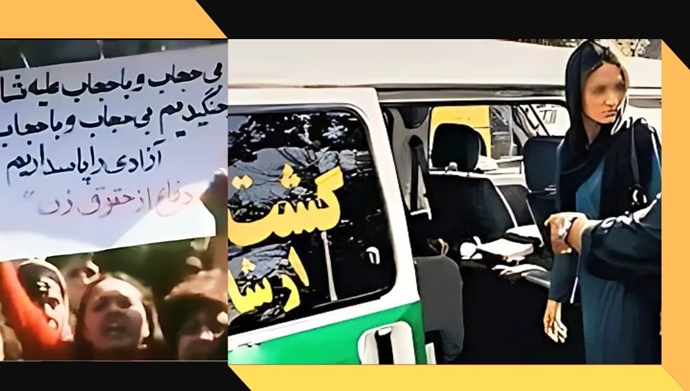

Widespread and interconnected crises have surrounded the turbulent and fragmented rule of Iran’s regime. The regime has persistently tried to export these crises into the daily lives of the people through various means. The recent Chastity and Hijab Bill is one of the most striking examples. Below are examples of crises instigated by the clerical regime against the people’s lives.
Exporting the Economic Crisis to People’s Homes
One of the major ongoing crises of this regime is the economic crisis, caused by corruption-driven policies that have severely impacted people’s lives. Devaluation of the national currency, high inflation, unemployment, and economic stagnation have all contributed to declining living standards. This economic crisis has not only hurt businesses but has also infiltrated people’s homes. Today, families in Iran are grappling with numerous economic and livelihood challenges directly imposed by the regime’s policies.
Exporting Crises to Universities
The regime in Iran has consistently pressured universities, professors, and students as it faces crises in these institutions. The suppression of students, purges, and harsh responses to protests have kept the academic atmosphere perpetually unstable, fueling political crises and educational tensions within universities. The result is an endless wave of brain drain and a continued desire among young people to emigrate. The regime’s exportation of these crises to academic environments has rendered universities incapable of fulfilling their role in training skilled professionals.
Exporting the Crisis of Existence and Proxy Wars to Society
For over four decades, the clerical regime has sought to externalize its existential crises through proxy wars beyond its borders. While the Iranian people grapple with vast economic and social challenges, the regime deliberately pursues an expansionist and criminal foreign policy to construct a protective shield for itself, exporting its crises into the lives of ordinary Iranians.
Exporting the Crisis into the Lives of Retirees
The regime has consistently created crises by plundering people’s savings. Theft of public funds and mismanagement of national resources have forced retirees reliant on social security and pensions to take to the streets to demand their rights and livelihoods. The clerical regime exports chaos and instability into the lives of a demographic that, worldwide, is legally entitled to peace and financial security.
Exporting the Crisis of Mandatory Hijab to Families and Businesses
Following the passage of the inhumane Chastity and Hijab Bill by the Majlis (parliament), a new crisis has been exported into Iranian households. This bill, marked by systemic plunder of the people and widespread insecurity for the public, imposes heavy fines on women and merchants. It not only creates a tense and hysterical social environment but also aims to exacerbate familial, social, and cultural conflicts. The regime’s intent in threatening businesses and vendors is to pit people against one another and generate tension through the imposition of mandatory hijab policies.
Solidarity Among Iranian Women: A National Response to the Chastity and Hijab Bill
There is no doubt that the enactment of this inhumane bill, in addition to intensifying factional infighting within the regime, will underscore the need for greater solidarity among Iranian women. The passage of such a bill—aptly described as a “national acid attack” in reference to state-sanctioned acid attacks against women in the 2010s—will increase dissatisfaction among women across the country, paving the way for a national and social uprising.
The Chastity and Hijab Bill Crisis and Pezeshkian’s Fate
The judiciary, parliament, and executive officials in the government are embroiled in conflicts over the Chastity and Hijab Bill. The regime’s misogyny and inhumane policies have so deeply infiltrated its core that even a figure like regime President Massoud Pezeshkian is caught in a dilemma over the bill, facing the choice between submission or resignation. His allegiance to the Supreme Leader and his inconsequential rhetoric during his presidency has brought him to a point of inevitable decision-making. This fate is common among presidents in a system where the presidency is no more than a “caretaker” role. However, Pezeshkian’s fragile administration has been thrust into this crisis far earlier than others.
This is just the beginning of the consequences of the regime’s inhumane and misogynistic policies embedded in the Chastity and Hijab Bill. The regime should brace itself for the dawn of a women’s uprising, whose leadership will herald the dusk of the clerical rule and its legacy.