

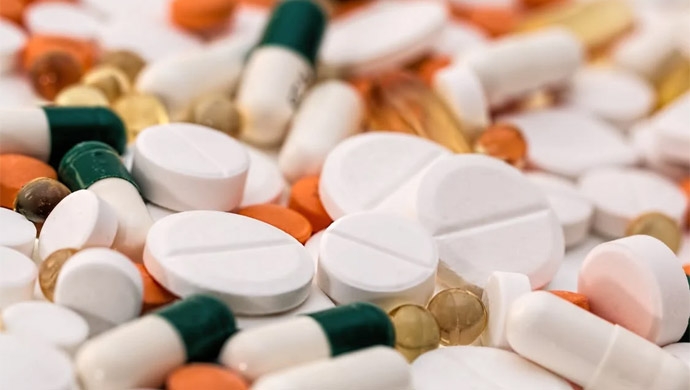

The shortage and high cost of medicines in Iran under the mullahs’ regime have become one of the country’s incurable crises. Currently, many patients face serious challenges in accessing essential and specialized medications.
Thousands of people endure unbearable pain and hardships, confined to their homes or hospital beds.
According to the news, specific medication is becoming scarce or excessively expensive. Images of children and the elderly in desperate need of these drugs have become all too common. Why does this happen?
Because addressing the lives and issues of the Iranian people has never been and will never be a priority for this regime.
On September 23, 2024, Salman Eshaghi, spokesperson for the Health and Medical Commission of the regime’s parliament, admitted, “Failing to prioritize medication in the country will confront us with irreparable problems in this field.”
On September 23, 2024, Mehr News agency quoted Eshaghi as saying, “The reliable statistics we received indicate that the country is facing a shortage of 340 medications.”
On December 29, 2024, almost three months after the warning issued by the spokesperson of the regime’s parliamentary health commission, Mehdi Pirsalehi, head of the Food and Drug Administration, said, “To prevent worsening shortages of medications and medical equipment and to manage the current shortages, the necessary liquidity must be provided, and the 17-month overdue payments to pharmaceutical and medical equipment companies must be settled” (Source: Mehr News Agency – December 29, 2024).
Pirsalehi identified the following as the primary cause of the medication shortages:
“Insurance organizations, medical universities, and the Darooyar plan owe approximately 500 trillion rials to pharmaceutical and medical equipment companies over the past 17 months. If this amount is not provided, it will be impossible to procure raw pharmaceutical materials, and medication shortages will worsen.”
The head of the Drug Committee of the Health and Treatment Commission in the regime’s Majlis (parliament) described the shortage of medicines as the “Achilles’ heel of the country’s healthcare system” and stated: “Any crisis could be accompanied by even more severe problems” (Source: Mehr News agency – January 6, 2024).
Two days later, Mehr News Agency reported a silent increase in drug prices, with the cost of 955 medications rising: “Medication is recognized as a strategic commodity. If it becomes scarce and the pharmaceutical market faces a crisis, it could lead to other social, economic, and even security threats.”
The same source highlighted “price increases of 50% to 100% for some items,” stating, “The price of a 200,000 rial pill has risen to 500,000 rials. An ointment that cost 126,000 rials now costs 370,000 rials. Dexamethasone, previously 77,000 rials, is now 190,000 rials. Blood sugar sensors have gone from 40 million rials to over 80 million rials and are now scarce.”
The priority of this regime is not the Iranian people, as it dedicates the remaining medical resources to its proxies and mercenaries in the region. One example is the swift transfer and special treatment provided to wounded members of Hezbollah in Lebanon.
However, when it comes to Iranian citizens, hospitals use non-sterile equipment. For instance, at Negah Hospital, this issue resulted in the blindness of nine patients.
Another case involved the death of at least 70 patients due to dialysis drugs contaminated with aluminum, produced by Samen Company, which is linked to the pharmaceutical mafia.
The Regime’s Hasty Action
As previously quoted, the head of the Drug Committee of the Health and Treatment Commission in the Iranian parliament stated that the shortage of medicine could lead to other social, economic, and even “security” threats. The regime’s hasty approval to allocate $1 billion from the National Development Fund to the health, treatment, and healthcare sector can be viewed in this context.
It is worth noting that the bloodthirsty ruler of the regime was not easily willing to approve such an allocation even during the COVID-19 pandemic. Therefore, what forced him to make this decision is the deteriorating state of governance and the potential for discontent caused by the shortage and high cost of medicine to ignite protests. Such measures may act as a temporary remedy in the short term but will not be able to save him or his regime.