

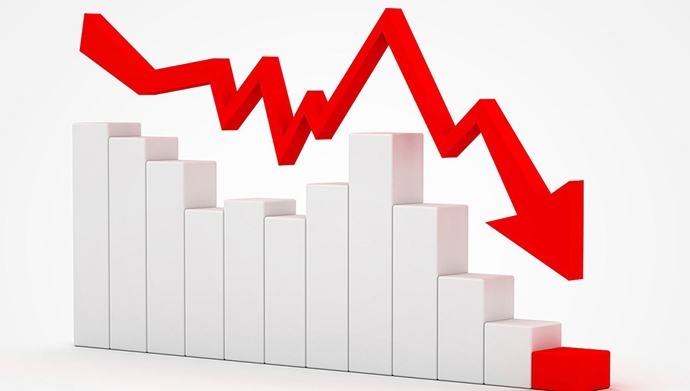

In the past half century, the Iranian people have seen the collapse of moral values, human and social capital, the education system, family structure, culture, knowledge, science, and the arts. In addition to all of this, there is the collapse of production, the backbone of the country’s economy. This economic destruction, orchestrated by the mafias affiliated with the mullahs’ regime, has even amplified the plundering of the country’s oil and gas resources. The recurring electricity blackouts in a nation sitting on a sea of energy are a stark symbol of this catastrophe.
Economists unanimously agree that the devaluation of the currency, frequent power outages, energy imbalances, runaway inflation, environmental crises, housing issues, automobile production problems, pension fund deficits, unemployment, and poverty are everyday realities that Iranians grapple with every moment. These crises are clear indicators of the incompetence of a regime that is itself drowning in a whirlpool of problems.
After Masoud Pezeshkian was appointed as president, the so-called “reformists” claimed that the inefficiencies would come to an end and progress was coming. However, there was no belief, will, or intention for fundamental changes, and the government’s record over the past few months has proven the falsehood of claims of growth and development.
According to a report from the Research Center of the Iran Chamber of Commerce, the business environment was poor during the first four months of this year, with electricity imbalances compounding these issues.
On November 18, Otagh Online news website wrote, “According to this report, 60% of the production units’ capacity was idle, which is a catastrophe for the country, leading to higher production costs for industries. It is regrettable that we are witnessing the accumulated losses of state-owned companies that live off public funds while operating at a loss, exacerbating imbalances in various sectors.”
The Carpet Commission of the Iran Chamber of Commerce has announced that the value of carpet exports has plummeted from $426 million in 2017 to less than $40 million in 2023. This collapse is the result of misguided policies such as the Central Bank’s currency repatriation mandates, which require exporters to return the foreign currency earned from selling their goods, even if the goods have not been sold. This policy, along with other factors, has drastically reduced the production and export of Iran’s handmade carpets and eliminated jobs for two million people in this industry (Source: Iran Chamber Report, November 18).
An unprecedented stagnation is also evident in the housing market. The repeated rise in property prices in recent years has severely diminished people’s purchasing power.
On November 16, Eghtesad News website wrote, “Studies show that during the first five months of 2023 and 2024, real estate transactions in Tehran decreased by 65% compared to the same period from 2009 to 2022. This situation reveals a deep crisis in providing housing for the population.”
The primary causes of Iran’s economic collapse are the lack of proper planning to meet the population’s basic needs and corrupt policies aimed at plundering public assets and transferring wealth into the pockets of regime’s associates.
On November 18, the state-run Etemad newspaper reported, “Although electricity blackouts have become a central topic of national discussion today, this imbalance stems from a shortage of gas needed for power plants. Despite Iran having the second-largest natural gas reserves in the world after Russia, it cannot extract enough to meet the country’s electricity demands. The lack of sufficient gas is also due to insufficient investment in the country. These imbalances are becoming an entangled mess, with increasingly complex dimensions.”
According to official reports, in just the past few months, 11 out of 12 industrial sectors have significantly deteriorated and seen declines in activity.
On July 8, the state-run Etemad newspaper wrote, “The Purchasing Managers’ Index (PMI), which reflects the expansion or contraction of production activities, hit its lowest level in 44 months this June, still indicating a recessionary economy and a negative outlook for the business environment. Power outages, difficulties in securing raw materials and foreign currency, as well as uncertainty, are key factors behind the decline in this index.”
Now, if one adds problems like the import of raw materials, hurdles created by the Central Bank in allocating currency, exorbitant taxes, electricity outages, and the international isolation of the regime due to its export of extremism and terrorism, nothing remains of the economy but ruins. The collapse of production, along with human and economic capital, reflects the deepest crises in Iran’s contemporary history.