

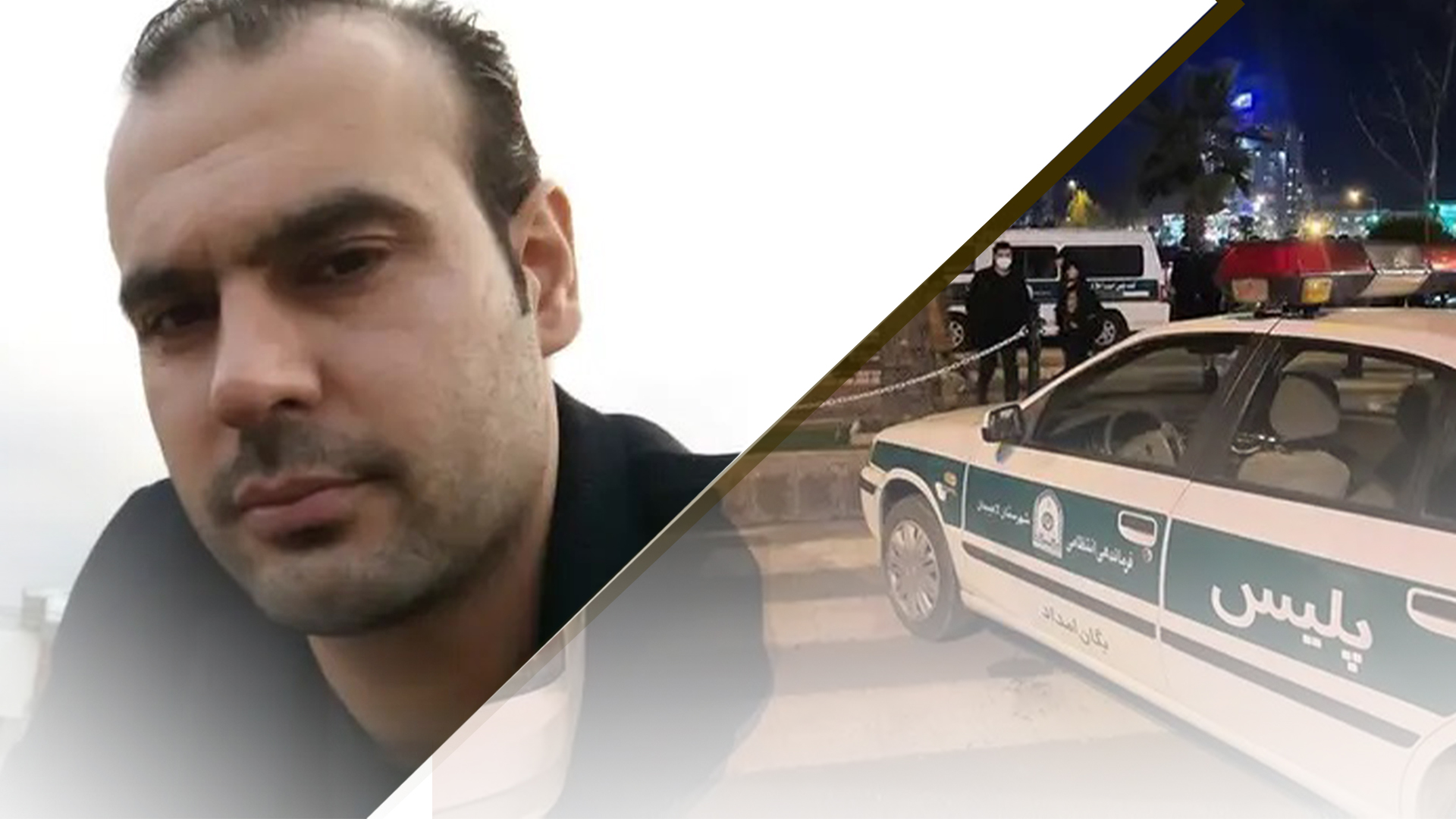

After 126 public executions in August and the continued killings, torture, pressure, and deprivation against prisoners, Iran’s regime murdered a young man from Lahijan under torture. The criminal head of the police force, in his third statement on September 1st, declared that the “recent incident is an exceptional case.”
However, the reality is that the brutal torture and murder of Mohammad Mirmousavi is not an “exception” but a “rule” under the clerical regime, which has continuously engaged in torturing prisoners to death for over four decades.
After the atrocities committed by the regime during the 1980s, which were recently recorded internationally as “atrocity crimes” and “genocide,” the 1990s saw a continuation of serial killings, torture, and the disappearance of dissidents. Many students were arrested, tortured, and disappeared during the Tehran University dormitory events in 1999 under the orders of regime Supreme Leader Ali Khamenei.
On June 23, 2003, during Mohammad Khatami’s presidency, Zahra Kazemi, a Canadian-Iranian journalist, was arrested in front of Evin Prison. After being subjected to brutal torture and rape, in which the criminal Saeed Mortazavi was involved, she was murdered. Following protests by Zahra Kazemi’s mother, the ISNA news agency wrote, “Massoud Pezeshkian, then Minister of Health on July 30, 2003, said about the statements made by Zahra Kazemi’s mother regarding the presence of injuries on her daughter’s body: ‘Based on what we saw from the body, this is not true. The bruises on her body were due to drug injections.'”
On October 12, 2007, regime forces arrested Dr. Zahra Bani Yaghoub in a park in Hamedan and killed her under torture at the detention center of the “Promotion of Virtue” headquarters.
A few months later, on January 15, 2008, Ebrahim Lotfollahi, a fourth-year law student, was arrested and killed under torture.
During the 2009 protests, many of those arrested (including Mohsen Rouholamini, Mohammad Kamrani, Amir Javadifar, Ramin Ghahremani, Ahmad Nejati Kargar, and others) were secretly tortured to death in Kahrizak prison, the current head of the State Security Forces Ahmad-Reza Radan, played a major role in these killings. Even Ramin Pourandarjani, the Kahrizak doctor, was killed in the police clinic for having knowledge of these murders.
On October 31, 2012, dissident blogger Sattar Beheshti was arrested by the Cyber Police and killed under torture. During the 2017-2018 protests, Sina Ghanbari, Vahid Heydari, and Saro Ghahremani were killed under torture.
These brutal killings continued during the 2019 and 2022 protests, with the murders of Mahsa Amini, Nika Shakarami, Dr. Ayda Rastami, and others, and they persist to this day.
The number of similar crimes is much higher, and what has been mentioned here are only the highlighted and media-covered cases, clearly showing that torture and murder are the rule, not the exception, under the regime of executioners.
Another rule is the regime’s shamelessness in covering up its crimes. An example is the statements issued by the police force under the command of Eskandar Momeni, the current minister of Interior, whom Pezeshkian assigned to investigate the matter.
In its statement, this repressive force blames the victim, labeling him as “having a history of mischief,” and writes, “The deceased began cursing and refusing to comply with the police officers’ orders at the station, leading to a confrontation with the officers, which continued until he was in the detention center.” They further claim that “unfortunately, due to the excitement caused by the friction between the late Mirmousavi and the police officers, and the lack of control over anger and emotions by some staff, this incident occurred.”
This claim comes while the videos of the mutilated body of Mirmousavi would fill anyone with anger towards the cruelty of regime forces. Tejarat News website reported: “Mohammad Mirmousavi was taken to the back of the Lahijan police station, where there were no cameras, and was severely beaten… Signs of torture and severe injuries are visible on his body. The person speaking in the video points to two spots on Mohammad Mirmousavi’s back and says these areas have been punctured.”
In response to this institutionalized brutality, the regime claims that “due to excitement,” the security forces could not control their anger and emotions. A day will come when the people of Iran can no longer control their ‘anger and emotions’ against this regime, its agents, and mercenaries. The day when the eruption of the people’s anger will bring the regime down.