

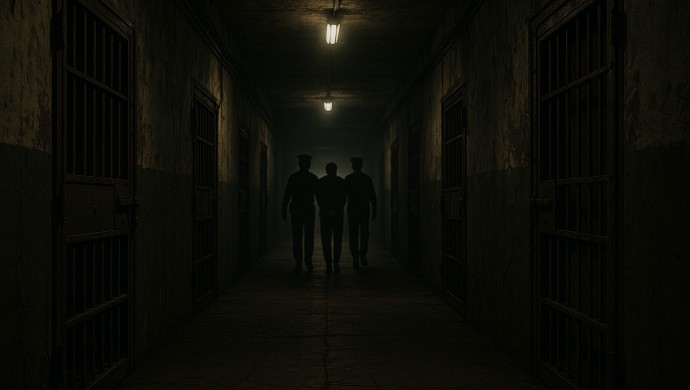

The Iranian regime is intensifying its violent crackdown on political dissidents, recently targeting a group of prisoners with exorbitant sentences and threats of execution on charges of having ties to the People’s Mojahedin Organization of Iran (PMOI/MEK). Currently, five political prisoners held in Hall 37 of Ghezel Hessar Prison are completely deprived of basic amenities and face mounting pressure from the judiciary. The Secretariat of the National Council of Resistance of Iran (NCRI) had previously announced on April 23, 2026, that some of these men had been transferred to Ghezel Hessar from Fashafouyeh Prison.
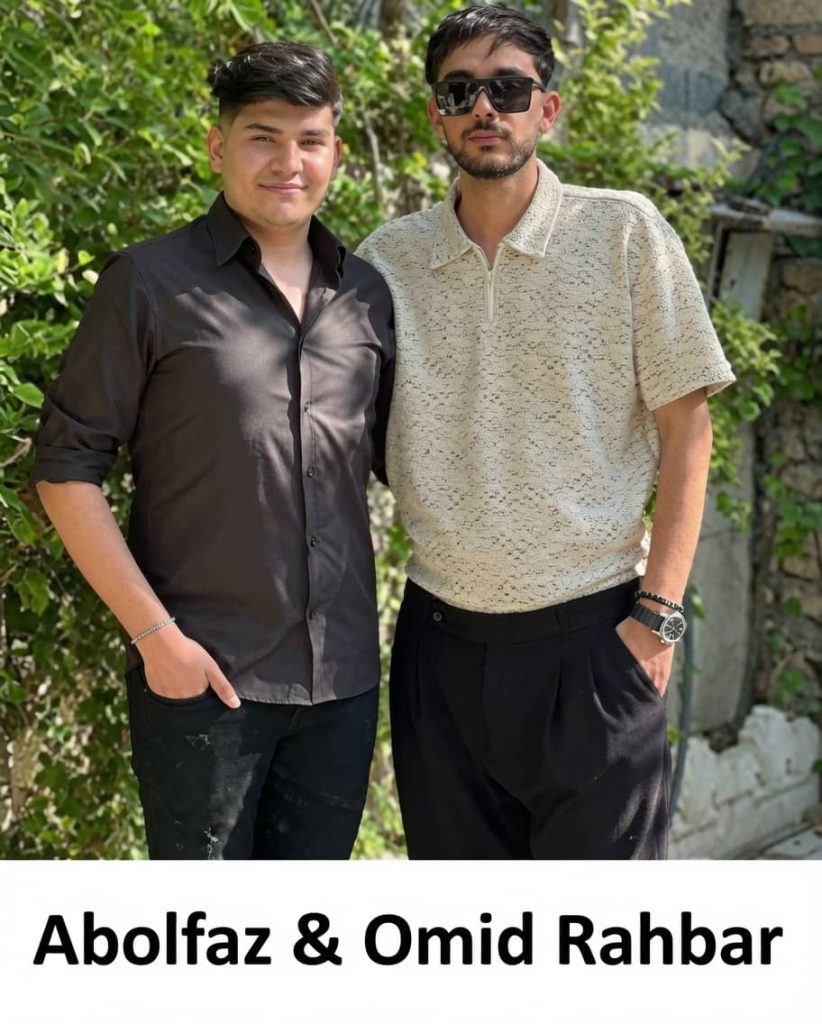
The regime’s judiciary has accused two young men—Abolfazl Rahbar, a 23-year-old house painter, and his cousin Omid Rahbar, a 24-year-old laborer—of PMOI membership. Both were arrested in January 2026. Recently, regime henchmen verbally notified them of draconian sentences, with Abolfazl sentenced to 20 years and Omid to 26 years in prison.
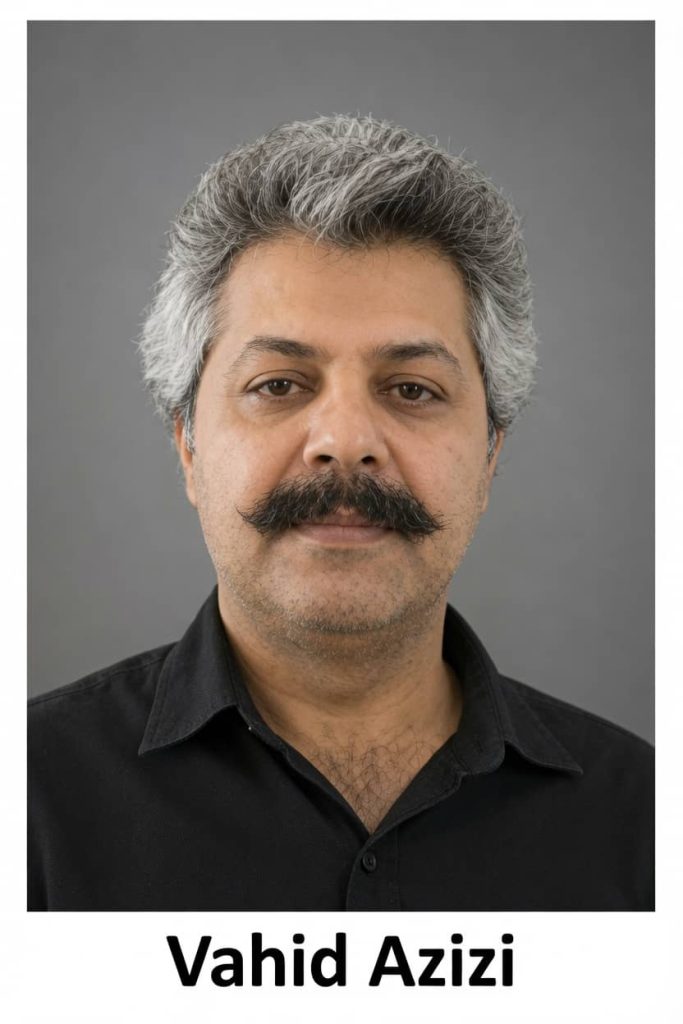
Two highly educated professionals in the same ward are facing explicit threats of execution. Vahid Azizi, a 42-year-old resident of Jannatabad, Tehran, originally from Khomein, holds a PhD in civil and groundwater engineering. He was arrested on January 6, 2026, during the nationwide uprising, and has since been threatened with execution.
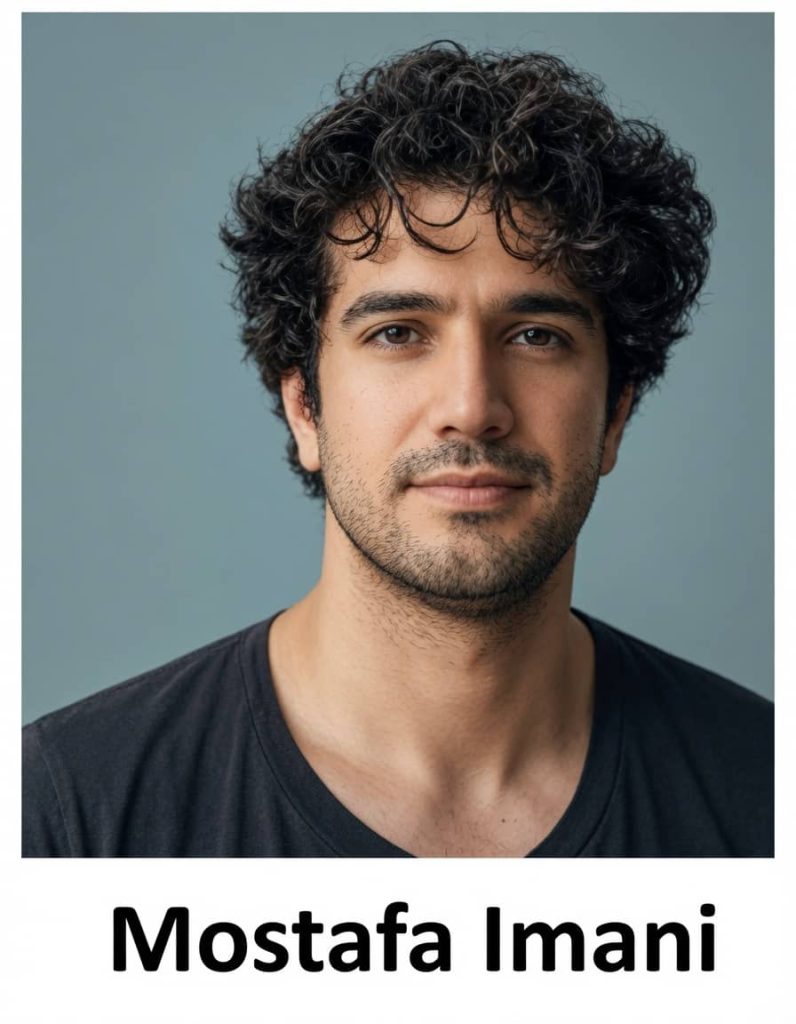
Similarly, Mostafa Imani, a 39-year-old from Karaj who is a writer, designer, and holder of a master’s degree in art, was arrested on March 29, 2026, for alleged contact with and membership in the PMOI. He is currently being threatened with execution by the prosecutor’s office.
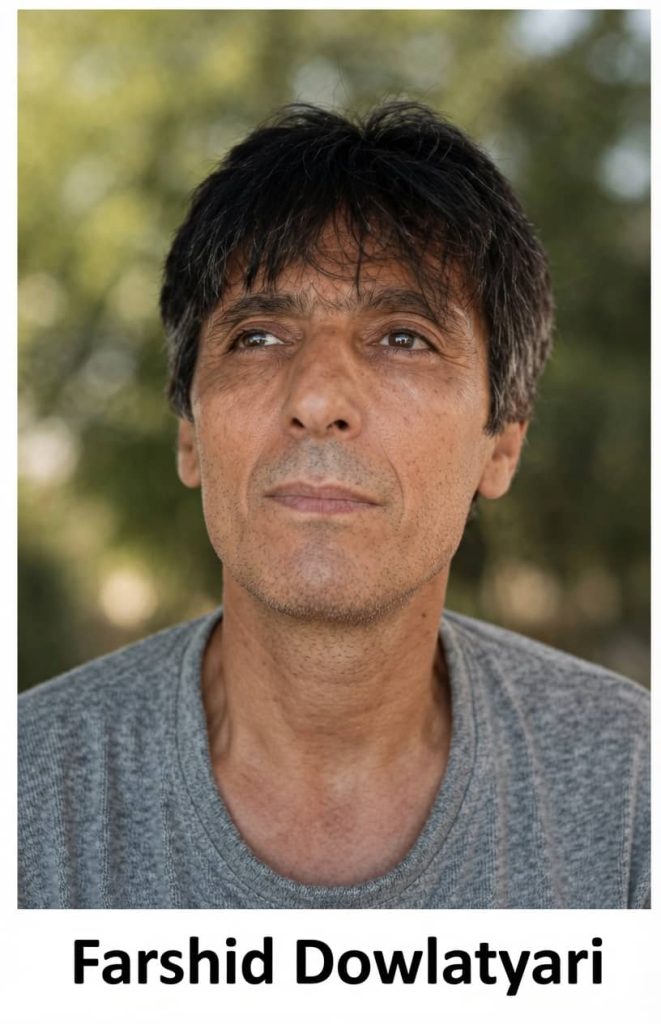
The fifth prisoner, 41-year-old driver Farshid Dolatyari, has been detained and subjected to intense pressure since November 2025. He is currently held in limbo. On December 6, 2025, the Ministry of Intelligence (MOIS)-affiliated Mehr news agency published a photo of him—without mentioning his name—accusing him of stockpiling weapons.
Broadening the scope of state violence
This localized pressure is part of a broader, rapidly escalating wave of state violence. Just days ago, at dawn on July 22, 2026, the regime executed 26-year-old law graduate and PMOI member Mehdi Khanaki following months of severe torture and a sham trial in Karaj.
Arrested on February 10, 2026, his “crime” was active participation in the massive January 2026 protests. Over the past year, the regime has executed approximately 2,400 individuals, including ten PMOI members, radically stepping up its political executions while cruelly refusing to return the victims’ bodies to their families.
The judiciary is also increasingly issuing retaliatory death sentences against relatives of dissidents. Amir Hassan Akbari-Monfared, a 22-year-old accounting student, was recently sentenced to death for “rebellion” by the notorious Judge Abolqasem Salavati. This retaliatory sentence was issued solely due to his familial relationship with a martyred PMOI member, compounding his family’s tragedy after four other relatives were martyred by Khomeini’s executioners in the 1980s.
In a similar vein, 25-year-old PMOI supporter Arghavan Fallahi was sentenced to death on July 1, 2026, by the same judge after months of brutal physical and psychological torture.
Sham trials in the shadows of weakness
Rather than projecting power, this violent purge is a desperate maneuver by a dictatorship paralyzed by fear. Terrified of the growing gravitation of Iranian youth toward PMOI Resistance Units and the looming prospect of another nationwide uprising, the clerical regime is laying the groundwork for a massive purge of political prisoners.
In Rasht, courts have handed down multiple death sentences to PMOI supporters held in Lakan Prison using theatrical ten-minute video trials without legal representation. Victims include Zahra Tabari, a 68-year-old electrical engineer with a Master’s degree from a Swedish university; Yaghoub Derakhshan, 51, who faced a mock retrial; and Amin Farahavar, a 38-year-old poet who was denied vital medical care for internal bleeding and sentenced to death for “enmity against God.”
Urgent call for international action
The global community can no longer remain silent while the Iranian regime systematically strips citizens of their right to a defense and executes political prisoners to maintain its fragile hold on power. T
he Iranian Resistance urgently calls on the UN High Commissioner for Human Rights, the Human Rights Council, and the UN Special Rapporteur on Iran to take immediate action to revoke these criminal death sentences. Furthermore, an international fact-finding mission must be dispatched immediately to inspect prisons like Ghezel Hessar and Evin to save the lives of these political prisoners before more are lost.