

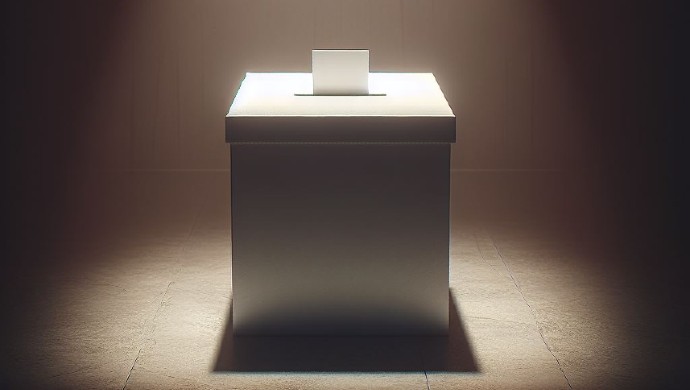

Iran’s upcoming parliamentary elections and Assembly of Experts elections, scheduled for March 1, are set to have predictable results. In its latest analysis, the National Council of Resistance of Iran (NCRI) highlights the regime’s preparation for these elections, including the rejection of numerous regime veterans and contenders by the Ministry of Interior and the Guardian Council. Everything is set for regime supreme leader Ali Khamenei to appoint his favored candidates in the sham elections. But even more noteworthy are the global repercussions of the regime’s inability to address its unsolvable crises.
One of the main indicators of the regime’s challenges is the unprecedented election boycott anticipated by officials and state media.
“There is fear that people’s anger towards the ballot boxes may be more serious than in 2019,” former Minister of Interior Abdolvahed Mousavi Lari warned in an interview with state-run media in October.
In 2019, the voter turnout for parliamentary elections hit a record low of 42.57%, highlighting widespread discontent with the regime’s policies.
In a recent report, the state-run website Fararu wrote that people now believe conscientious non-participation is preferable to voting for candidates who cannot solve their problems. “Boycotting the ballot box is a serious phenomenon, and those who have undermined the credibility of the elections must be held accountable,” it wrote.
Furthermore, the disqualification of key regime figures from the elections raises questions about the regime’s ability to address its internal crises. Hundreds of candidates, including sitting parliament members, were disqualified. Notable figures such as former intelligence ministers Ali Fallahian, Mahmoud Alavi, and Heydar Moslehi, as well as former interior minister Mostafa Pourmohammadi, were among those disqualified. However, the most prominent disqualification was that of Hassan Rouhani, a two-term president and a 24-year member of the Assembly of Experts. Rouhani had warned that the removal of various candidates would disillusion people with the electoral process, signaling the ruling clique’s concern about the potential consequences.
The disqualifications not only undermine the credibility of the regime’s authority but also demonstrate underlying internal crises and strategic calculations by Khamenei. The removal of top security officials, including intelligence figures and Rouhani himself, indicates Khamenei’s unwavering commitment to survival. By eliminating potential rivals and dissenting voices, Khamenei aims to consolidate his power and carefully engineer the dynamics of the Assembly of Experts, which will eventually select his successor. However, this strategic engineering will not be without tradeoffs for the regime.
“This represents a significant setback not only for the concept of elections and parliamentary representation but also undermines the credibility of a key element of the regime’s authority, notably the presidency,” the NCRI writes in its report.
The regime’s inability to solve its crises is evident in the diminished competition and lack of enthusiasm for the elections even among regime figures. In several provinces, there are no competitors for certain seats, resulting in an average of only one and a half individuals competing for each seat.
Khamenei’s purpose behind holding these elections is to ensure security and maintain balance within the system. However, the regime’s reliance on repression and lack of international accountability indicates its vulnerability. And the continued protests by Iran’s people and the expanding ranks of the Resistance Units is testament to the fact that Khamenei is failing in his efforts to suppress dissent and strengthen his hold on power.
“To fortify his regime, Khamenei has escalated regional conflicts, expedited the nuclear program, increased executions, intensified anti-Resistance propaganda, and conducted show trials of Resistance leaders. These actions form part of Khamenei’s survival strategy,” the NCRI writes.
Yet, despite these efforts, the regime becomes weaker while the people and the Iranian Resistance become bolder and more determined. As the people and the Iranian Resistance grow more resolute, the regime’s survival strategy appears increasingly futile.