

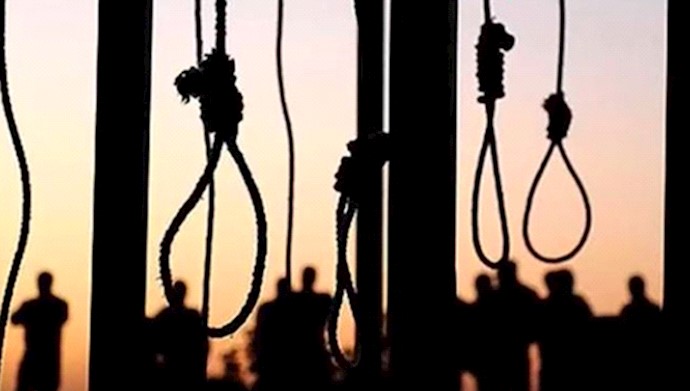

In a statement on January 5, the National Council of Resistance of Iran (NCRI) reported the shocking figure of 864 executions by Iran’s regime in 2023.
This figure, which was gathered by reports obtained by the sources of the People’s Mojahedin Organization of Iran (PMOI/MEK), demonstrates the extent of barbarism, oppression, and crimes of the regime. This statement portrays the criminal policy of the regime to suppress the uprising of the Iranian people and avoid its inevitable overthrow.
According to the statement, this is the highest figure of executions in the past eight years.
Considering the secret executions, the actual number of executions is much higher. The number of recorded executions in 2023 is approximately 34% higher than in 2022, which was 646 cases. The increasing trend of executions in 2023 was such that over 36% of the executions (313 executions) took place in the last three months of the year, coinciding with the ongoing regional conflicts. Among these, Baluch compatriots had the highest share of executions. Out of the executed individuals, 191 of them, which is over 22%, were Baluch.
The NCRI statement highlighted the fact that “Decades of appeasement and granting concessions to the ruling religious fascism have encouraged it to suppress and execute, torture internally, and engage in warmongering and terrorism outside Iran.” This statement also emphasizes that the leaders of this regime, “especially Ali Khamenei, Ebrahim Raisi, and Gholamhossein Ejei, must be brought to justice for four decades of crimes against humanity and genocide.”
According to official judicial documents of the Iranian regime, the number of executions in 2021 was at least 350 individuals. This number rose to 646 in the uprising of 2022, representing a 184% increase. This indicates that the regime has resorted to executions to intimidate the public and suppress protests.
On the first day of the new year, January 1, 2024, in the ongoing trend of executions, the Iranian regime executed five prisoners in Karaj Central Prison. The regime’s head of judiciary in Alborz Province justified these executions by stating, “There is no tolerance for those who jeopardize the security of the people.” In the context of the theocratic regime, the term “security of the people” solely refers to the security of the regime itself.
On December 12, the state-run IRNA news agency reported the execution of nine prisoners in the city of Ardabil. On the same day, Davood Abdollahi, a political prisoner from Mahabad who had been imprisoned for 14 years, was hanged in Ghezel Hesar prison while on a hunger strike for the previous week. He had been arrested along with six other Sunni compatriots in November 2019 and had been severely tortured. Prior to this, Ghasem Abesteh and Ayoub Karimi, two other prisoners from the same group, were executed and hanged in Ghezel Hesar prison on November 5 and November 29 respectively.
The question is, can the regime avoid its downfall through such acts of barbarity? Absolutely not. The regime’s crimes are making the people more resolute in their quest to overthrow the mullahs’ rule and establish a democratic republic. This is evident in the ongoing protests across Iran, in the expanding ranks of the PMOI Resistance Units, and the growing activities of rebellious youth who are targeting regime centers and icons in every corner of the country.