


Analysis by PMOI/MEK
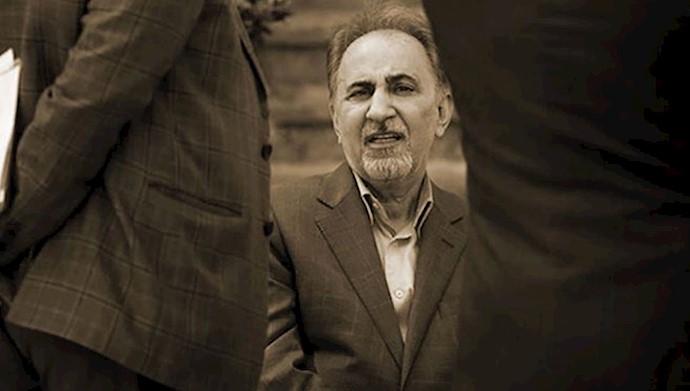
Iran, June 2, 2019 – Following the ridiculous broadcasting of the arrest/surrender scenes of the former Tehran mayor, Mohammad Ali Najafi and public hatred of the mullahs’ regime reaching new heights, Hossein Rahimi, commander of Iran’s state police was forced to publicly apologize.
“We accept some of the criticism. It is possible that some of our officers made mistakes and if the people feel that we have made mistakes, we apologize. We are not saying we are perfect. Our officers may make mistakes, but none are deliberate,” he said on Friday.
As a result of this huge embarrassment, Iranian regime Supreme Leader Ali Khamenei ordered the regime’s judiciary to clear up the entire case. The first allegations raised was to smear the image of Mitra Ostad – the wife Najafi murdered – by claiming she had collaborations with the regime’s security institutions. This also shows how the mullahs’ regime acknowledge the fact that the Iranian people literally loathe the regime’s security forces.
“There is no proof that Mitra Ostad had any contact with security organizations,” said the spokesperson of the mullahs’ so-called judiciary apparatus.
All the while, the issue of Najafi’s suicide and state media broadcasting a completely pre-orchestrated presentation of Najafi’s so-called surrender to the police raise many new questions, including how could the entire issue be recorded and broadcasted by state media on the same day.
Some state media outlets even claimed Najafi was poisoned by certain institutions inside the regime.
Iran Online, associated to the camp close to Iranian regime President Hassan Rouhani, published snapshots of what they described as chat text between a reporter and Najafi himself from last December where they claimed he talked about being poisoned.
“They had plans to poison me and… We thought we had built an Islamic/popular state. For 40 years we tried so hard to establish such a state!” the claimed chat text reads.
This “reporter” called on the case prosecutor, Najafi’s lawyer, reporters, and the regime’s security apparatus to look into the issue of Najafi’s poison threats.
In the video footage aired by the regime’s media outlets, it is claimed that Najafi had attempted to commit suicide in December at Tehran’s Hotel Laleh. One of the hotel employees, however, was able to stop him, the report claims.
This entire ordeal sheds further light into the deep crises this regime is facing inside the country as its international isolation escalates.