

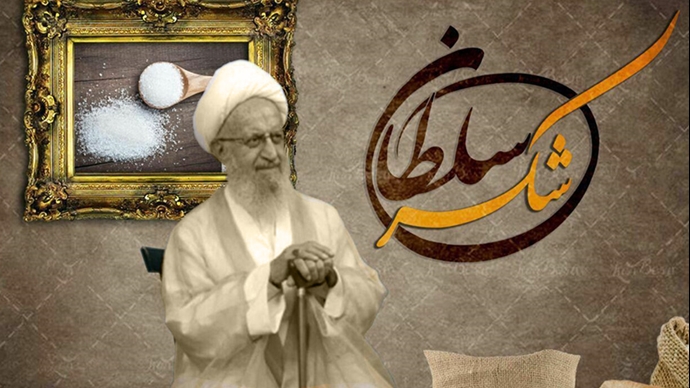

On January 23, Asr-e Jadid published an alarming headline, stating: “If dissatisfaction continues, it will lead to uprisings and revolutions.”
These remarks were made by Naser Makarem Shirazi, a prominent cleric in the regime and member of the Assembly of Experts, reflecting his deep concern about the current state of Iranian society and the widespread public dissatisfaction.
The Roots of This Warning
Shirazi’s warning not only highlights the ongoing crises but also reveals a deep rift between the rulers and the people. The factors necessitating this warning include:
Public Dissatisfaction
The country’s economic, social, and political conditions have pushed people to a breaking point where enduring hardships has become impossible for many. Rising economic pressures and ineffective governance have sparked widespread dissatisfaction across various segments of society, posing a serious threat to the regime’s stability.
The Risk of Political Instability
With statements like “The foundations of the state are shaking,” Shirazi clearly alludes to the potential for political crises. Following the collapse of the regime’s regional hegemony, the return of Trump to power, and the defection of political and security forces within the regime, social crises could spiral out of the regime’s control.
Severe Economic Conditions
High unemployment rates, unprecedented inflation, and declining purchasing power have made life difficult for most of the population. Rising prices, runaway inflation, and the surge in the dollar’s exchange rate to 850,000 rials have amplified public protests. Economic pressures, particularly on the lower classes, have fueled social unrest and widespread anger.
Historical Lessons from Revolutions
Modern Iranian history has shown that widespread public dissatisfaction can lead to fundamental changes. The Constitutional Revolution and the 1979 Revolution are two prominent examples. These historical events underline that ignoring public demands can pave the way for widespread political transformations.
Social media as a Tool for Collective Protest
The expansion of the internet and social media has given people the opportunity to directly voice their grievances to each other and to the global community. These tools not only raise public awareness but also quickly turn dissatisfaction into street protests and social movements.
Crisis of Regime Legitimacy
Following the failure of the regional policies and the scandal over billions spent to prop up Assad’s regime in Syria, the regime’s legitimacy has eroded, even among its staunchest supporters. This situation has widened the gap between the leaders and the people, leaving even religious figures like Makarem Shirazi concerned about the future.
Makarem Shirazi’s warning must be a warning bell for the rulers to be taken seriously. By pointing to the growing dissatisfaction and serious threats, he seeks to draw officials’ attention to the critical state of society. Although this warning is intended to prevent uprisings and social collapse, it clearly reflects his recognition of the looming disaster that is now perceptible.